Best Industrial Swabs for Manufacturing
Published by AllSwabs.com on Apr 04, 2025
Best Industrial Swabs for Manufacturing: How to Choose the Right Swab by Application

In manufacturing environments, even small contaminants can impact product quality, performance, and yield. That’s why industrial swabs are widely used for precision cleaning, solvent application, and contamination control across industries like electronics, aerospace, and cleanroom production.
But not all swabs are the same. Choosing the right material and design can significantly improve cleaning efficiency and reduce risk.
This guide explains how industrial swabs are used in manufacturing, which types perform best, and how to choose the right swab for your application.
Start here: Shop Industrial Swabs & Applicators →
Quick Answer: Which Industrial Swab Should You Use?
- Foam swabs: Best for solvents, delicate surfaces, and precision cleaning
- Polyester swabs: Best for cleanroom and low-particle environments
- Cotton swabs: Best for general-purpose industrial cleaning
- Anti-static swabs: Best for electronics and ESD-sensitive components
Rule of thumb: The more sensitive the component or environment, the more important low-lint, non-abrasive swabs become.
Why Industrial Swabs Matter in Manufacturing
Manufacturing processes often involve tight tolerances, delicate components, and contamination-sensitive environments. Traditional cleaning tools are often too large or abrasive for these applications.
- Precision access to tight, hard-to-reach areas
- Controlled cleaning without damaging components
- Compatibility with solvents and cleaning agents
- Reduced contamination risk in critical processes
Key Benefits of Industrial Swabs
1. Precision Cleaning in Tight Spaces
Swabs can access grooves, channels, and internal components that larger tools cannot reach.
2. Effective Contaminant Removal
From dust to flux residue, swabs allow controlled removal without spreading debris.
3. Solvent Compatibility
Foam and synthetic swabs can withstand aggressive cleaning agents without breaking down.
4. Reduced Risk of Damage
Non-abrasive materials protect sensitive surfaces and coatings.
Best Industrial Swabs by Application
Electronics & Semiconductor Manufacturing
- Best choice: Anti-static foam swabs
- Why: Prevent static discharge and minimize lint
- Common uses: PCB cleaning, connectors, sensors
Aerospace & Precision Optics
- Best choice: Non-abrasive foam swabs
- Why: Safe for coated lenses and delicate components
- Common uses: Lens cleaning, component prep
Fiber Optics Cleaning
- Best choice: Precision fiber optic swabs
- Why: Designed for tight cylindrical cleaning
- Common uses: Connectors, optical ports
Cleanroom & Pharmaceutical Manufacturing
- Best choice: Polyester swabs
- Why: Low lint and contamination control
- Common uses: validation and sterile cleaning
Shop Industrial Swabs by Application
Choose the right swab based on your cleaning environment and precision requirements:
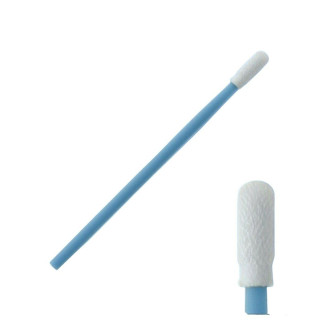
Anti-Static / ESD
Electronics and static-sensitive components
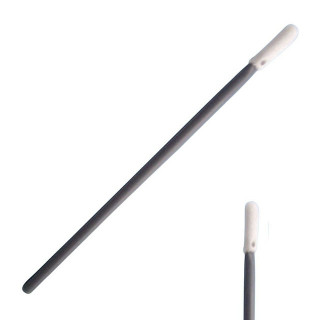
Fiber Optic
Precision optical cleaning
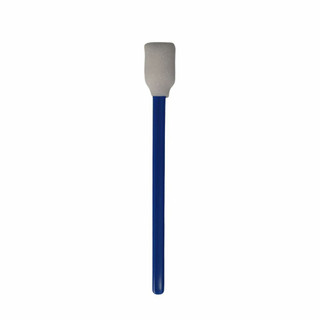
Foam Swabs
Solvents and delicate surfaces
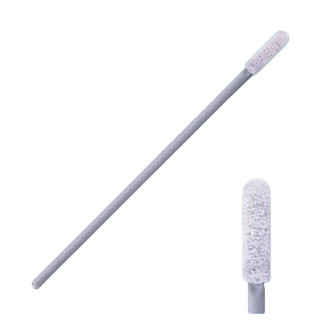
Polyester
Cleanroom environments
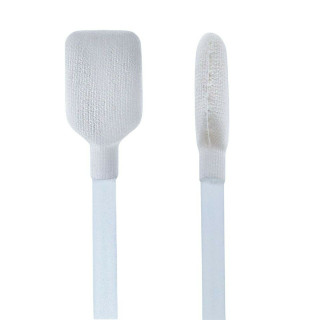
Alcohol
Pre-saturated cleaning
Featured Product: Harmony Lab Rectangular Foam Cleanroom Swab

Best for: cleanroom cleaning, precision manufacturing, electronics, and controlled environments
This rectangular foam swab is designed for low-lint, non-abrasive cleaning in critical environments. The polypropylene shaft provides durability and compatibility for precision applications where contamination control matters.
Shop Harmony Foam Cleanroom Swab →How to Choose the Right Industrial Swab
- Surface sensitivity: Use foam for delicate components
- Environment: Use polyester for cleanrooms
- Contamination risk: Choose low-lint materials
- Application size: Match tip to task
- Static risk: Use ESD-safe swabs
Conclusion
Industrial swabs are essential tools for precision cleaning in manufacturing. The right choice can improve quality, reduce defects, and streamline workflows. Explore your Industrial Swab options.