

7 Safe and Effective Alternatives to Q-Tips for Ear Cleaning
Published by AllSwabs.com on Dec 20, 2024
7 Safe and Effective Alternatives to Q-Tips for Ear Cleaning
Most people reach for a Q-Tip the moment their ear feels itchy or blocked. It’s almost automatic. But as helpful as they seem, cotton swabs can actually make things worse by pushing wax deeper or irritating the ear canal. The good news? Keeping your ears clean doesn’t require Q-Tips at all—there are safer, gentler methods that work far better.
Below, we’ll walk through several effective alternatives, why they’re recommended, and when it’s best to ask a professional for help.
Why Avoid Using Q-Tips for Ear Cleaning?
Q-Tips, or standard cotton swabs, are great tools for crafts, makeup, and small cleaning tasks. Ears? Not so much. Several issues can pop up when you put anything inside the ear canal.
Here are the main concerns:
- Pushing Wax Further In: Instead of removing wax, a swab can compact it, creating a deeper blockage.
- Risk of Injury: A sudden movement—your own or someone else’s—can cause scratches or even puncture the eardrum.
- Infection Risk: Disrupting the ear’s natural cleaning process or introducing bacteria can lead to infections.
That’s why audiologists often recommend avoiding Q-Tips for internal ear cleaning entirely.
Top Alternatives to Q-Tips for Safe Ear Cleaning
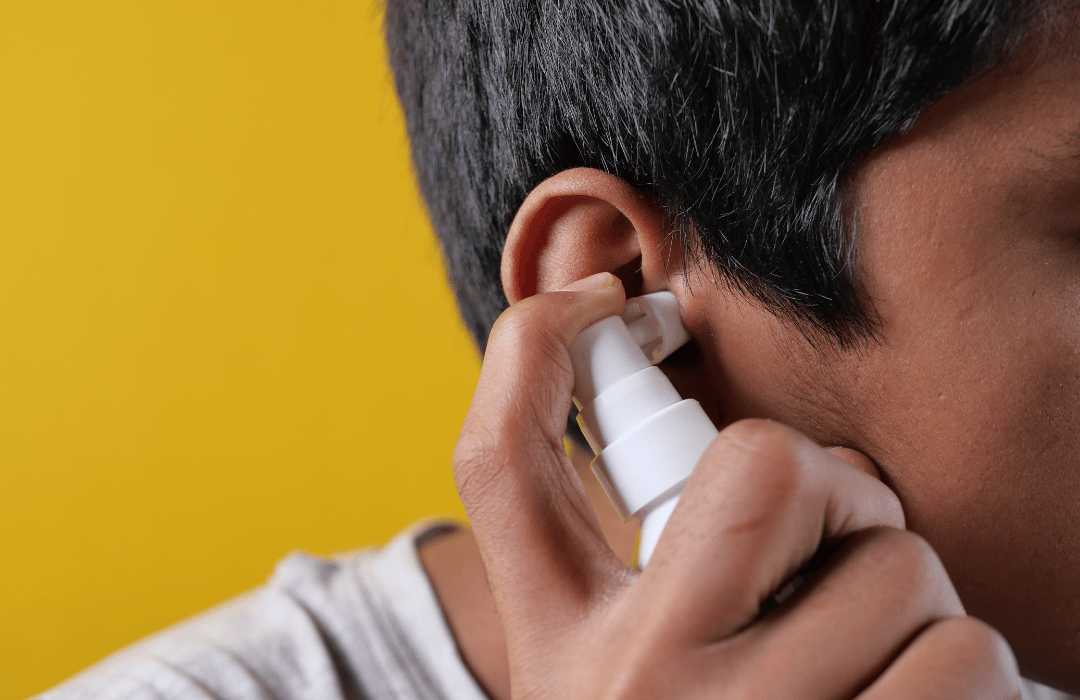
1. Earwax Removal Drops
If you’re dealing with hardened or stubborn wax, ear drops are one of the easiest and gentlest options. They’re designed to soften wax so your ears can clear it naturally—no digging required.
- How They Work: Apply the recommended number of drops, stay still for a few minutes, and let the solution do the rest.
- What to Look For: Over-the-counter options like Debrox or simple mineral oil work well.
- Good to Know: More isn’t better. Stick to the label instructions to avoid irritation.
2. Bulb Syringes
A bulb syringe uses gentle water pressure to help loosen and flush out wax. Many people like this method because it feels natural and doesn’t involve any instruments going inside the canal.
- How to Use It: Fill with warm (not hot) water, tilt your head, and squeeze gently.
- Why People Like It: When used correctly, it’s non-invasive and effective.
- Be Careful: Use only lukewarm water and avoid squeezing forcefully.
3. Earwax Removal Kits
For a more complete at-home approach, earwax kits combine drops, flushing tools, and instructions in one box. They’re designed for people who want a step-by-step method rather than guessing.
- What’s Inside: Usually ear drops, a bulb syringe, and a guide.
- Popular Choices: Doctor Easy’s Elephant Ear Washer or WaxRx kits.
- Tip: Follow each step closely—don’t rush the rinsing stage.
4. Soft Washcloths
Sometimes the simplest option is best. A warm, damp washcloth—or a lint-free wipe—is ideal for the outer ear, where wax occasionally becomes visible.
- How to Use: Gently wipe around the outer ear—no digging, no twisting.
- Why It Works: It keeps the outside clean without disturbing the inner canal.
- Perfect For: Daily or weekly general hygiene.
5. Olive Oil or Hydrogen Peroxide
Many people prefer natural or readily available remedies, and olive oil has been used for years to soften wax. Hydrogen peroxide also works, though it tends to bubble, which some find satisfying and others find startling.
- Using Olive Oil: Warm a few drops (just slightly), tilt your head, and let it sit for several minutes.
- Hydrogen Peroxide Method: Mix equal parts peroxide and water, then use a few drops to loosen wax.
- When to Avoid: Skip both if you suspect an infection or have a perforated eardrum.
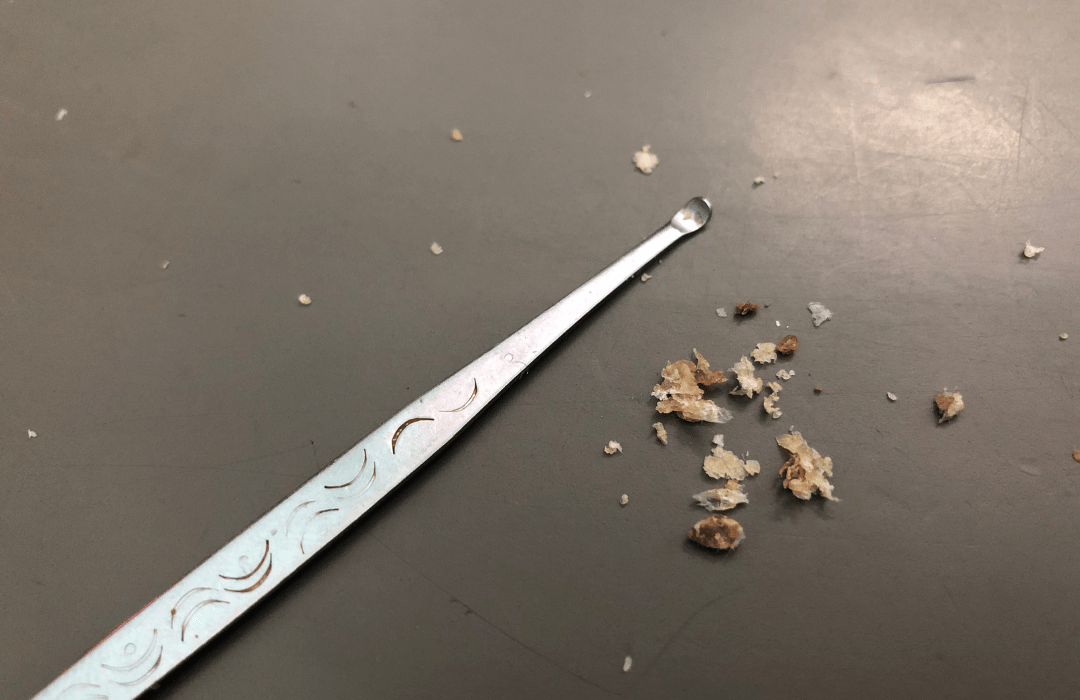
6. Ear Cleaning Tools (Spoon or Spiral)
Reusable tools like ear spoons or spiral cleaners are popular for people who prefer a hands-on method and want to avoid disposable products. When used gently, they can remove small amounts of wax near the opening of the ear.
- Tools Available: Classic metal spoons, silicone spirals, and hybrid scoop-style designs.
- Safe Use Tips: Always clean and sanitize between uses.
- The Big Warning: These tools should never go deep into the ear. Keep them at the entrance only.
7. Consulting a Professional
If your ears feel consistently blocked, or if home methods aren’t helping, a professional cleaning is the safest route. Audiologists and ENT specialists can see exactly what’s going on and remove wax without any risk of injury.
- When to Go: Pain, sudden hearing loss, ringing, or recurring blockages.
- What They Do: Use medical-grade tools like curettes, suction devices, or irrigation systems.
- Why It’s Worth It: No guesswork, no discomfort, and no damage.
Conclusion
You don’t need Q-Tips to keep your ears clean—in fact, your ears will be healthier without them. Whether you prefer gentle drops, warm water rinses, or simple outer-ear cleaning, there’s an option that fits your comfort level. And when in doubt, professionals are there to help. Your ears do a lot for you; a little safe care goes a long way.