
The Role of Cotton Swabs in Infection Control and Patient Safety
Published by AllSwabs.com on Dec 03, 2025
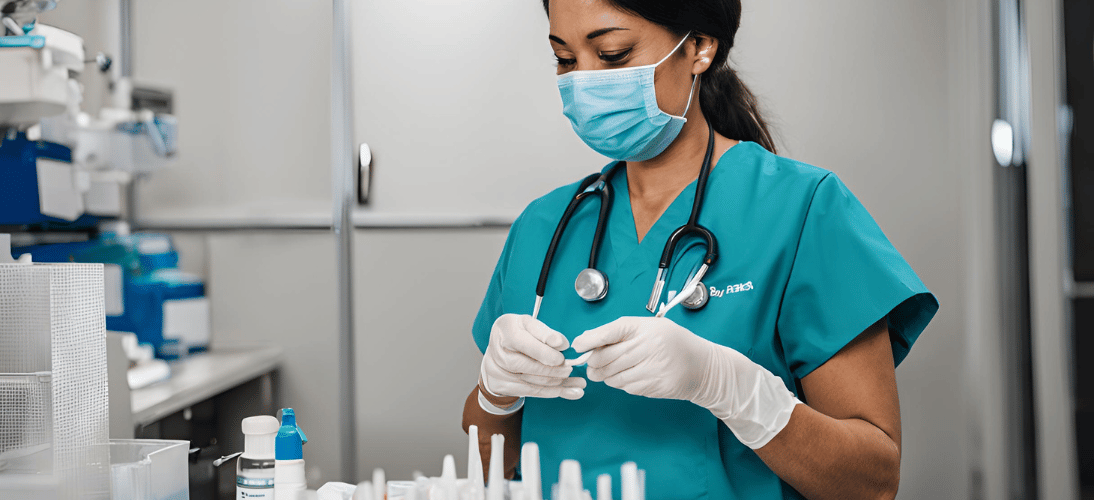
If you walk into almost any medical center—whether it’s a busy outpatient clinic or a small rural practice—you’ll find cotton swabs tucked into drawers, procedure trays, and wound-care carts. They’re simple tools, but they play a much bigger role in infection control than most people realize. When they’re used properly, cotton swabs help protect patients by keeping procedures clean, precise, and as comfortable as possible.
This article takes a practical look at how cotton swabs support infection control, where they’re used most often, and why proper technique matters so much for patient safety.
Infection Control Protocols
Every facility has its own infection-control protocols, but the goal is always the same: prevent infections before they start. Cotton swabs fit into these routines more often than people think. Nurses and techs use them to clean small areas, apply medication with pinpoint accuracy, or collect specimens without introducing contaminants.
What matters most is sterility and handling. A swab that’s touched the counter—or even just brushed the provider’s glove—can no longer be considered sterile. Good technique means opening swabs at the right moment, using them once, and disposing of them immediately. These little habits are what prevent cross-contamination and keep patients safe.
Applications in Wound Care
In wound care, cotton swabs are a familiar sight. They’re ideal for cleaning around sutures, reaching into small creases, or applying antiseptics in a way that won’t disturb delicate tissue. Anyone who’s ever cared for a patient with a painful wound knows how important that gentle touch can be—especially when cleaning areas that already feel tender.
Sterile swabs help clinicians avoid transferring bacteria into the wound. Used correctly, they support faster healing and reduce the likelihood of infection or delayed recovery.
Diagnostic Uses
Diagnostics are another area where swabs shine. Collecting a throat culture or nasal specimen might look straightforward, but accuracy depends on using the right swab and keeping it sterile from start to finish. A contaminated swab can lead to inaccurate results, which ultimately affects treatment decisions.
High-quality cotton swabs give clinicians the reliability they need—especially when sending specimens to the lab where precision really matters.
Patient Comfort and Safety
Patients often judge a procedure by how it feels. A well-handled cotton swab can make a big difference. Providers use swabs to apply anesthetics, clean sensitive skin folds, or carry out minor procedures where a gentle, controlled tool is essential. Because swabs don’t drag or scratch when used correctly, they help maintain patient comfort while still getting the job done.
And as simple as it sounds, a patient who feels cared for is more likely to trust the provider and the process.
Training and Best Practices for Medical Staff
Like most infection-control tools, swabs are only as effective as the people using them. New staff members sometimes underestimate how important proper handling is—especially when procedures get hectic. That’s why ongoing training matters.
Staff should know:
- how to open and handle sterile swabs without contamination
- when to use sterile vs. non-sterile options
- the right disposal methods
- how to avoid touching unintended surfaces during use
Facilities that incorporate short refreshers or quick competency checks generally see better infection-control outcomes overall.
Conclusion
For such a small tool, cotton swabs play an outsized role in maintaining a clean, safe environment in medical centers. From wound care to diagnostics and everyday procedures, their precision and sterility help prevent infections and keep patients comfortable.
Investing in high-quality, sterile swabs—and ensuring staff know how to use them properly—strengthens infection-control efforts and supports better patient care across the board.
Frequently Asked Questions (FAQs)
1. Why is it important to use sterile cotton swabs in medical settings?
Sterile swabs help ensure nothing unwanted—bacteria, fibers, or environmental contaminants—reaches wounds, specimens, or sensitive tissue. In clinical work, even small contamination can affect healing or skew lab results, so sterility is essential.
2. How often should medical staff be trained on the proper use of cotton swabs?
Most facilities include swab handling in their annual infection-control training, but quick refreshers throughout the year help too—especially for new hires or departments with high patient turnover.
3. Can cotton swabs be reused if they appear clean?
No—never. Even if a swab looks clean, it’s no longer sterile once it’s been exposed. Reuse can lead to cross-contamination and increase infection risk, so every swab should be single-use only.
Related Categories